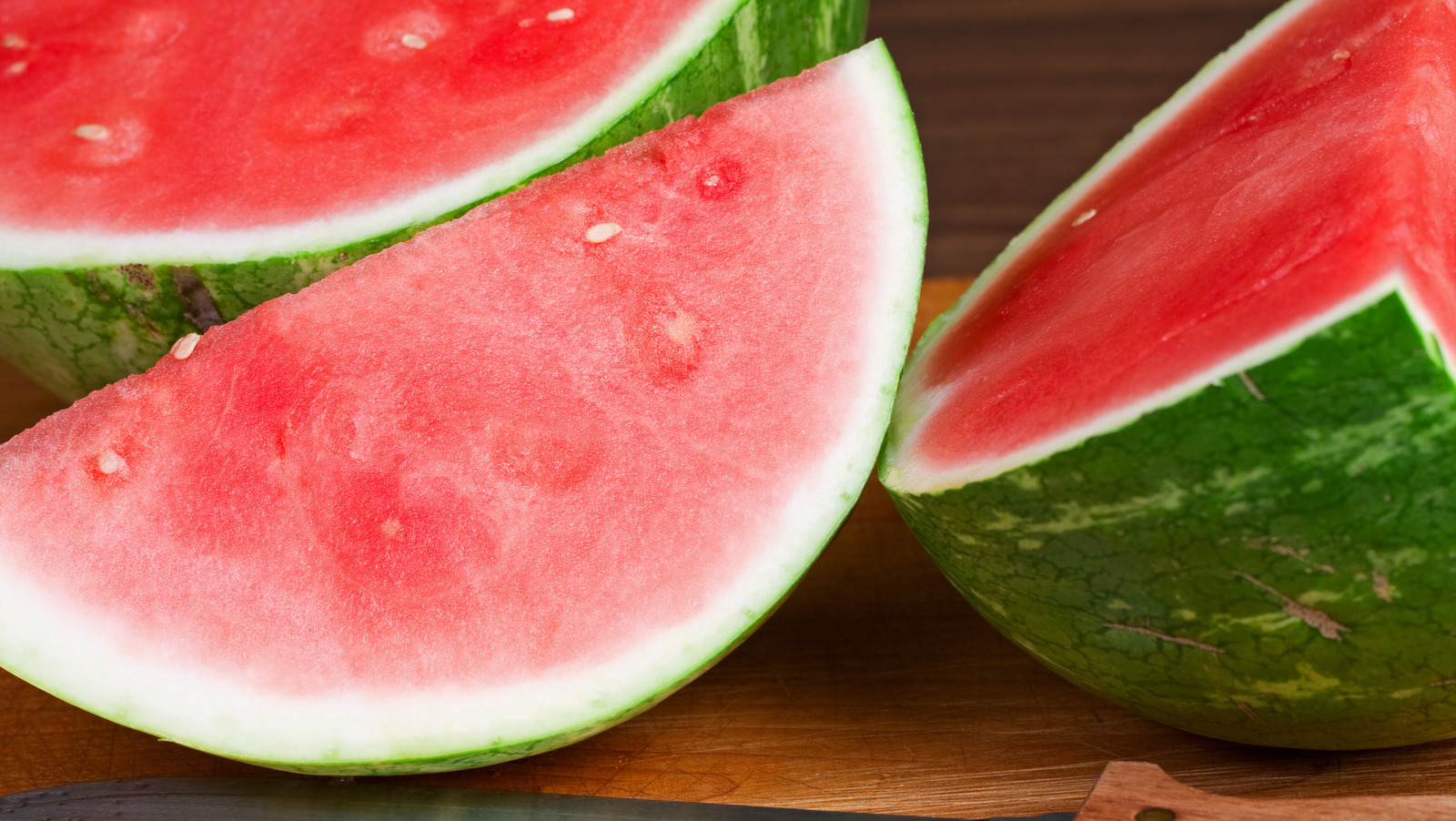
The Summer Secret Weapon: Why Freeze Watermelon?
Watermelon, with its vibrant red flesh and refreshing sweetness, is the quintessential taste of summer. However, the joy of a giant, juicy watermelon often comes with a challenge: finishing it all before it spoils. For small households or those who find themselves with an abundance of this delicious fruit, the good news is that you absolutely can freeze watermelon. It’s a brilliant way to prevent waste, lock in that summery flavor, and make the most of those great deals on whole melons.
While fresh-cut watermelon typically only lasts 3-5 days in the refrigerator before it starts to get slimy or develop an off-smell, freezing offers a significantly extended shelf life – up to 8 months! This allows you to savor the taste of summer long after the season has passed. But before you stock your freezer, it’s crucial to understand what happens to watermelon’s texture during the freezing and thawing process, and how to best utilize it afterwards.
Understanding the Texture Transformation: What to Expect
The Science Behind the Change: Why Water Content Matters
The biggest factor influencing frozen watermelon's texture is its incredibly high water content, which hovers around 92%. When water freezes, it expands and forms ice crystals. These crystals are sharp and rupture the watermelon’s delicate cell walls. Upon thawing, these damaged cell walls can no longer hold their structure, causing the fruit to become soft, mushy, and lose its firm, crisp bite. This is a common phenomenon with many high-water-content fruits and vegetables.
Therefore, if you freeze watermelon with the intention of thawing it and serving it in slices as you would fresh, you'll likely be disappointed. The texture will be far from the crunchy, juicy experience you expect. It will instead resemble a more pureed or pulpy consistency. But don't let this deter you! This textural shift is precisely what makes frozen watermelon an incredibly versatile ingredient for a different set of culinary applications.
Preparing Watermelon for the Freezer: A Strategic Approach
To get the best results from your frozen watermelon, a little strategic preparation goes a long way. How you plan to use it post-freezing should dictate how you cut it:
- Chunks: Ideal for smoothies, slushies, and blending into sorbets.
- Balls: Use a melon baller for uniformly sized spheres, perfect for fruity ice cubes in drinks.
- Wedges/Triangles: Great for simple, healthy popsicles.
Regardless of the shape, always remove the tough outer rind and any prominent black seeds before freezing. While small white seeds are generally fine, removing the larger, harder black ones will improve the overall texture of your frozen product.
The Crucial Flash Freeze: To prevent your watermelon pieces from sticking together and forming one giant, impenetrable block of fruit, a "flash freeze" is essential. Lay your cut watermelon pieces in a single layer on a baking sheet lined with parchment paper (to prevent sticking). Place the tray in the freezer for 2-4 hours, or until the pieces are partially frozen but not completely solid. Once firm, transfer the individual pieces into freezer-safe bags or airtight containers for long-term storage. This technique ensures you can easily grab just a handful of frozen watermelon whenever you need it.
Beyond Fresh: Creative & Delicious Uses for Frozen Watermelon
The slightly altered texture of thawed frozen watermelon might not be suitable for fruit salads, but it opens up a world of exciting culinary possibilities. This is where frozen watermelon truly shines, offering a refreshing and healthy base for numerous recipes. Here are some of the best ways to enjoy your frozen watermelon:
Blended Delights: Smoothies, Slushies & Cocktails
This is arguably the most popular and satisfying use for frozen watermelon. Its high water content makes it blend beautifully into a smooth, icy consistency, eliminating the need for adding extra ice (which can dilute flavor). It's a fantastic natural sweetener and provides a wonderful boost of hydration.
- Smoothies: Combine frozen watermelon with other fruits like berries, pineapple, or mango, along with a liquid base like coconut water, yogurt, or a splash of lime juice. It creates an incredibly refreshing and naturally sweet beverage.
- Watermelon Slushies: Simply blend frozen watermelon with a little water or a touch of honey for an instant, guilt-free frozen treat.
- Frozen Cocktails: Elevate your summer sips by blending frozen watermelon into margaritas, daiquiris, or a refreshing watermelon frosé. It adds natural sweetness and a beautiful pink hue.
- Homemade Sorbet or Granita: With just a few ingredients (like a squeeze of lime or a hint of mint), you can transform frozen watermelon into a sophisticated and light dessert. Blend until smooth for a sorbet, or freeze and scrape with a fork for a granita.
For more specific ideas and recipes, explore Beyond Fresh: Best Uses for Frozen Watermelon (Smoothies & More!).
Fruity Ice Cubes & Healthy Snacks
Don't underestimate the power of frozen watermelon in its simplest forms:
- Fruity Ice Cubes: Add frozen watermelon balls or small chunks directly to water, iced tea, lemonade, or even sparkling wine. They'll keep your drink chilled without diluting it, slowly infusing a subtle watermelon flavor as they melt.
- Watermelon Popsicles: For a super simple and healthy snack, take those frozen watermelon wedges, insert a popsicle stick, and you have an instant, refreshing treat kids and adults will love. No added sugar or artificial ingredients needed!
- Partially Thawed Snacking: While fully thawed watermelon isn't ideal for eating fresh, partially thawed pieces can offer a delightful, icy-cold snack with a slightly softer texture than fresh, but still enjoyable.
Tips for Success When Freezing Watermelon
- Start with Quality: The better the watermelon tastes before freezing, the better it will taste afterward. Choose a ripe, sweet melon.
- Cut Uniformly: For consistent freezing and thawing (if applicable), try to cut your watermelon pieces into roughly the same size.
- Don't Skip the Flash Freeze: This step is non-negotiable for convenient access to individual pieces.
- Use Airtight Storage: Always store frozen watermelon in freezer bags (squeeze out excess air) or airtight containers to prevent freezer burn, which can affect flavor and texture.
- Label and Date: While it lasts for months, it's good practice to label your containers with the date to keep track of freshness.
Conclusion
Freezing watermelon is an excellent strategy for reducing food waste, saving money on pre-cut fruit, and extending the enjoyment of this seasonal favorite. While the process inevitably changes its texture, transforming it from crisp to a more pulpy consistency upon thawing, this alteration makes it perfectly suited for a host of delicious blended applications. From revitalizing smoothies and icy slushies to elegant sorbets and vibrant cocktails, frozen watermelon is a versatile ingredient that deserves a permanent spot in your freezer. Embrace the change, get creative, and savor the taste of summer any time of year!
